




Price Chrysler Dodge Jeep Ram

Blog / Price Chrysler Dodge Jeep Ram Service

Blog

All Price Chrysler Dodge Jeep Ram Service Dodge Dealer Food & Drink In the Area Price Chrysler Dealer Price Chrysler Service RAM Dealer Price Used Cars
Brake Repair Price, UT

Signs You Need a Brake Repair at Your Chrysler Dealer

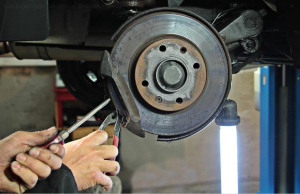
Brakes are one of the most important components in your car. If your brakes are in good condition, you're taking a risk each time you get behind the wheel. As your Chrysler dealer, we'd like you to know some of the signs that you may need a brake repair soon. more Screeching Brakes Any unusual noises from your car are worrying, and an awful screeching noise when you mash the brakes is the worst. When you apply the brakes, brake fluid is forced into the brake hoses. This fluid is under pressure, and it exerts a hydraulic force on the brake calipers. These calipers are attached above your wheel rotors. The force from the fluid squeezes the calipers against the rotors and stops your wheels. The calipers have brake pads with a friction material covering attached to them. This material wears down a little each time you use your brakes. As a warning that your pads need to be changed, the manufacturers insert a metal shim into each pad. When the pad has reached the level that it needs to be changed, this metal shim will scrape against the rotor. This terrible screeching means it's time to change those pads. Brake Fluid Leak Brake fluid, as we've seen, is essential for your braking system to operate effectively. Without it, there would be no hydraulic pressure to close the calipers, and your brakes wouldn't engage. Brake fluid is kept in the brake fluid reservoir near the master brake cylinder. If this fluid starts leaking out, your brakes will be in serious trouble. Fluid can leak from the metal brake lines, the rubber brake hoses, and the reservoir itself. The rubber hoses will become less flexible with age, and they can start to crack. The brake lines are exposed to water splashing up from the ground, and this can cause rust. Finally, the reservoir can leak fluid from a damaged seal or worn connection. A puddle of slightly yellow cooking oil-like liquid on the ground means there's a fluid leak. Clunking Sounds Another disturbing sound that can signal a brake problem is a clunking noise from underneath your car. While several different parts of your car can go clunk when they have problems, two possibilities are a loosening in part of your brake system or damaged parts of your suspension. Your braking system is held together by nuts and bolts. If one or more of the bolts have sheared off or loosened, they make a noise as you drive. Damaged suspension components can also make a noise. A broken tie rod, a worn ball joint, or even a damaged wheel bearing will all make worrying sounds. Not attending to these sounds will cause more damage. Our technicians will investigate and fix the cause of the problem. If you're having a brake problem, call us right away at Price Chrysler Dodge Jeep Ram. Our highly-trained technicians can fix any brake problem quickly and efficiently. Image via Pixabay.com
Transmission

Does Your Jeep or RAM Need a Transmission Repair? Visit Your Jeep Dealer Today

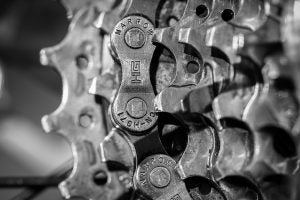
Most drivers view a transmission repair as both stressful and expensive, but that doesn't have to be the case. Regular service visits to your Jeep dealer will spot most problems and prevent them from becoming serious. Even with the best servicing, however, in time components can still wear out or your transmission can suffer damage. These are some of the signs from your dealer that your transmission may need to be repaired. more Noise When You're in Neutral If you suspect you may have a transmission problem, one of the ways you can check is to shift your transmission into neutral. In neutral, your transmission shouldn't make any noise. If you hear a bumping sound from the transmission, the transmission fluid may be low and we can check and top it up for you. A lot of noise from the transmission can mean a more serious problem like damaged gear teeth or a damaged bearing. Hesitation Shifting Gears Shifting gears should always be smooth and easy. Any delay or difficulty in shifting gears is a sign that there's a transmission problem. In an automatic transmission, you will feel a delay in shifting from park to drive. A manual transmission will have a disconnect between your engine's RPMs and your actual speed as the RPMs are higher than they should be. Dirty Transmission Fluid New transmission fluid is red and viscous, and it is designed to lubricate the parts in your transmission. As the fluid circulates, it will collect minute metal pieces and other debris. These particles are absorbed by the fluid and make it heavier and less viscous. If the transmission fluid is not changed regularly, this contamination can also make the fluid more susceptible to burning in the heat of the transmission. Weird Noises From the Transmission A healthy transmission shouldn't make any noise while it works. Buzzing, humming, and clunking sounds from your transmission are not only unnerving but a sign that something isn't right. Our technicians will examine the transmission and we'll repair the problem. In most cases, the solution can be as easy as replacing the worn-out transmission fluid. Leaking Fluid Your transmission is filled with hundreds of parts, many of which depend on friction to work. The parts are constantly moving at speed when your car moves, and the fluid helps to control the temperature and lubricate the parts to prevent damage. If your transmission develops a leak and enough fluid is lost, your transmission's temperature will rise and it can quickly start to overheat. If your transmission shows signs that it's straining, we advise that you bring your car in for a check-up. A transmission problem will only get worse the longer it goes on and a damaged transmission can cause additional problems. If you experience any of the issues above, call our service center immediately at Price Chrysler Dodge Jeep Ram. Our expert service technicians will repair your car's transmission problem. Image via Pixabay.com

Contact Us

Fill out this form below and we'll contact you shortly
*Required Fields